[email protected] +8619902170898 (WhatsApp)
Luannan County, Tangshan, Hebei, ChinaRequest a Quote →
Comparison guide

Type A vs Type B FIBC

These two are often grouped — but they are not interchangeable. Type A has no electrostatic control at all. Type B has no conductive path, yet its fabric is engineered with a breakdown voltage below 6 kV to prevent propagating brush discharges. The difference decides whether a combustible dust is safe.
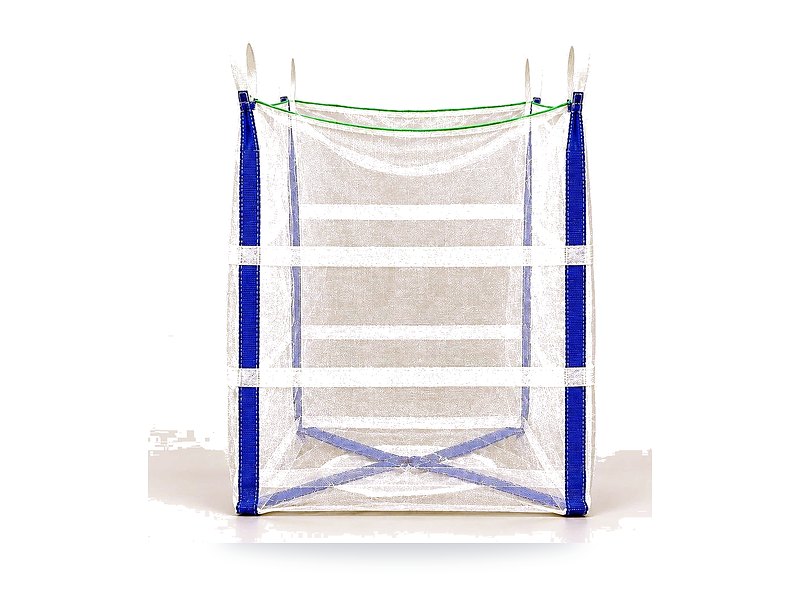
Type ANo static control · non-flammable only
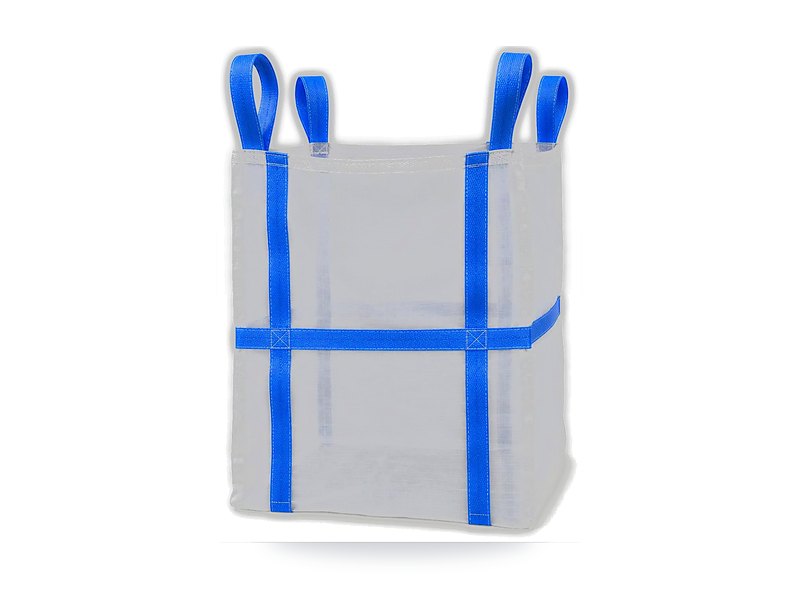
Type BBV <6 kV · combustible dust OK
NeitherNeeds grounding
NeitherFor flammable gas / vapour
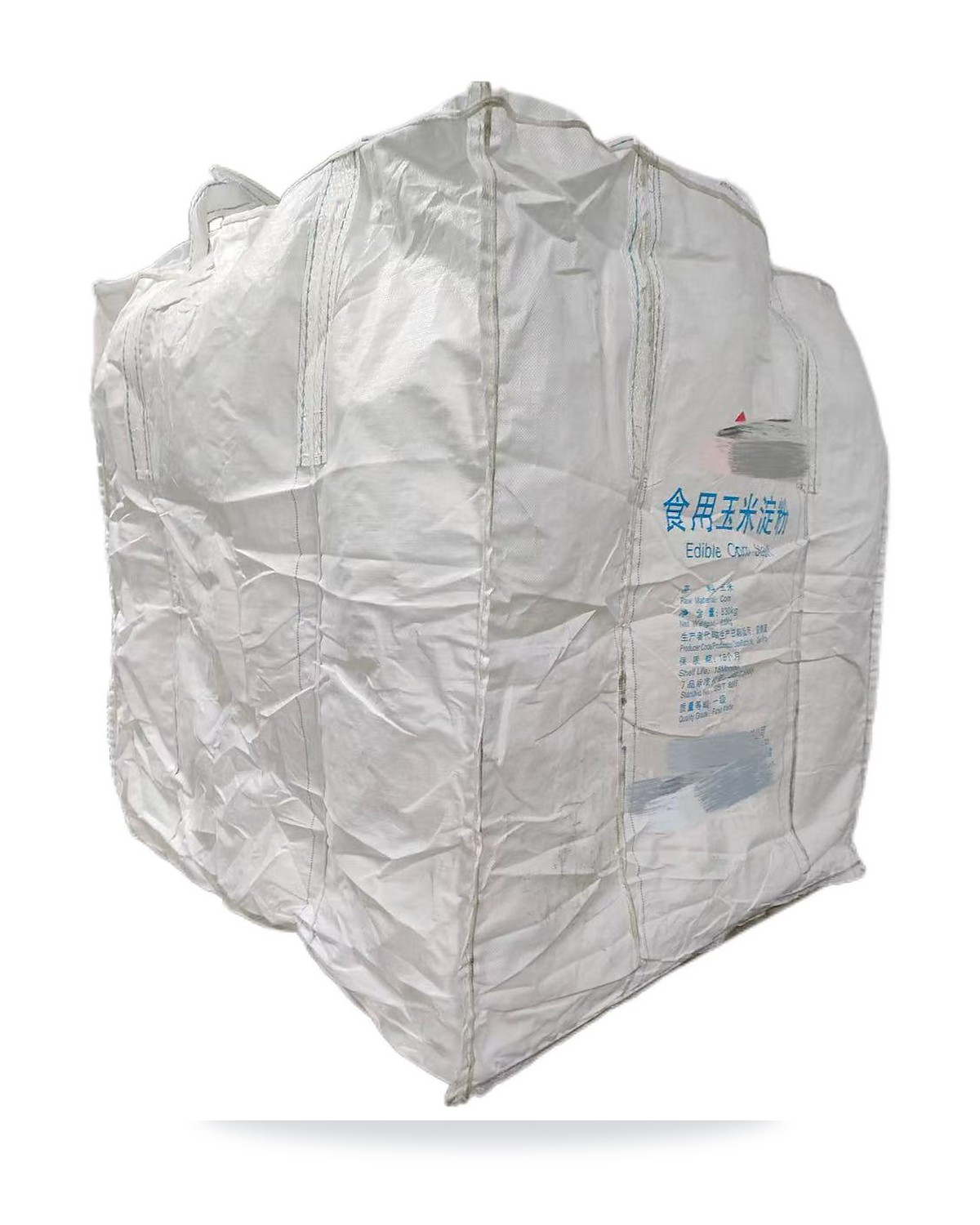
Starch FIBC bulk bag 900x900x1100 mm with food-grade liner
At a glance

The difference in one table

FeatureType AType B
Conductive pathNoneNone
Fabric breakdown voltageNot controlled< 6 kV
Propagating brush dischargePossiblePrevented
Combustible dust✗ Not permitted✓ Permitted
Flammable gas / vapour✗ Not permitted✗ Not permitted
Grounding requiredNoNo
Typical useNon-flammable powders, minerals, plastics, cementCombustible food/chemical dusts (starch, sugar, flour, additives)
Relative costLowestLow–medium
When to use which

Match the bag to the hazard

Choose Type A when…

  • The material is non-flammable (ore, sand, cement, plastics, non-combustible minerals)
  • No combustible dust cloud can form at filling or discharge
  • No flammable gas, vapour or solvent is present
  • You want the lowest cost per tonne
Full Type A specification →

Choose Type B when…

  • The powder is a combustible dust (starch, sugar, flour, some chemicals)
  • No flammable gas or vapour is present
  • Grounding the bag is impractical or not desired
  • You need dust safety without a conductive system
Full Type B specification →
Decision guide

Three questions that decide it

1. Is there flammable gas or vapour?

Yes → neither A nor B is safe. Go to Type C (grounded) or Type D.

2. Is the dust combustible?

No → Type A. Yes → go to question 3.

3. Is reliable grounding available?

No → Type B. Yes, and higher risk → consider Type C or Type D.

Always confirm with a process-safety engineer using your material's minimum ignition energy (MIE) and the site's hazardous-area classification. This page is a guide, not a substitute for a formal risk assessment.
Common mistakes

Three errors we see often

UN-certified FIBC bulk bag for dangerous goods
Treating A and B as equalThey are not. Type A is not permitted for combustible dust; Type B is.
Type C conductive bag with grounding point
Expecting B to need groundingType B has no conductive path — grounding does nothing and is not required.
Ventilated FIBC bag for airflow, not for solvents
Using B for solventsType B is dust-only. Flammable gas/vapour needs Type C or D.
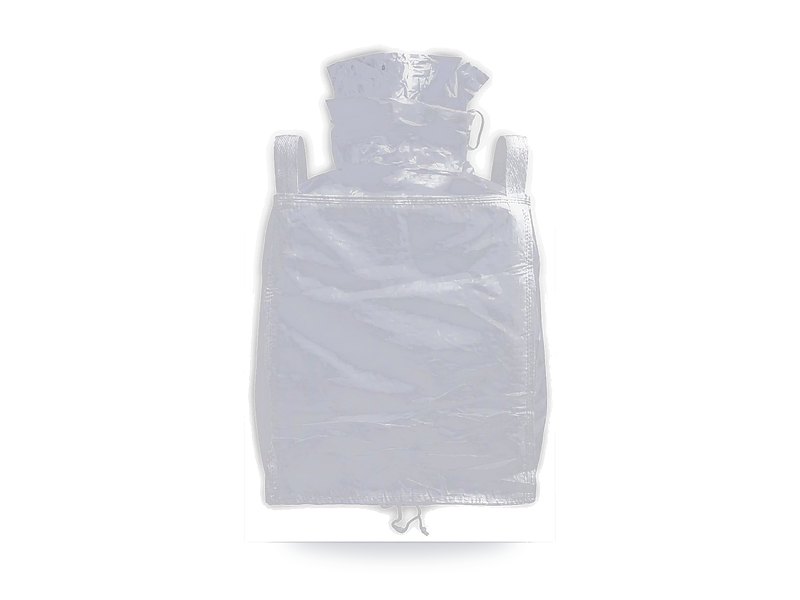
Laminated liner bag for liquid-sensitive powders
Ignoring the liner classLiner type must match the bag — see L1 / L1C / L2 / L3.
FAQ

Type A vs Type B — quick answers

What is the difference between Type A and Type B FIBC?+
Type A has no electrostatic control and must not be used with combustible dust or flammable gas/vapour. Type B also has no conductive path, but its fabric has a breakdown voltage below 6 kV to prevent propagating brush discharges, so it may be used with combustible dusts (but not flammable gases or vapours). Neither type requires grounding.
Can I use a Type B bag instead of Type C?+
Only if the hazard is combustible dust and no flammable gas or vapour is present. Where flammable gas, vapour or solvent is present, Type B is not permitted — use Type C (conductive, grounded) or Type D (static dissipative, no grounding).
Do Type A or Type B bags need grounding?+
No. Neither Type A nor Type B has a conductive path, so there is nothing to ground. Their difference is only in the fabric's breakdown voltage and therefore the dust hazard they can tolerate.

Not sure whether you need Type A or Type B?

Send us the material and its dust-explosion data. We'll confirm the correct type — and the correct liner class — within 24 hours.

Ask our engineers